Cymraeg






Plas Heli Safety Documents
Core operational, statutory, and event‑specific safety documentation for authorised users.
Generic Event Management Plan – Plas Heli
This Generic Event Management Plan sets out the standard operational arrangements for events held at Plas Heli. It provides a consistent framework for site use, traffic management, welfare, temporary structures, and coordination with safety documentation, including the Event Safety Plan, Fire Risk Assessment, and Fire Evacuation Plan.
This document is intended for authorised users and event organisers.
1. Purpose
The purpose of this plan is to describe how events at Plas Heli are managed on a day‑to‑day basis, including site layout, access, compound use, temporary accommodation, and coordination with visiting class associations and contractors. It supports safe, efficient, and compliant delivery of events.
2. Scope
This plan applies to:
- Sailing regattas and championships
- Training and coaching events
- Community and club activities
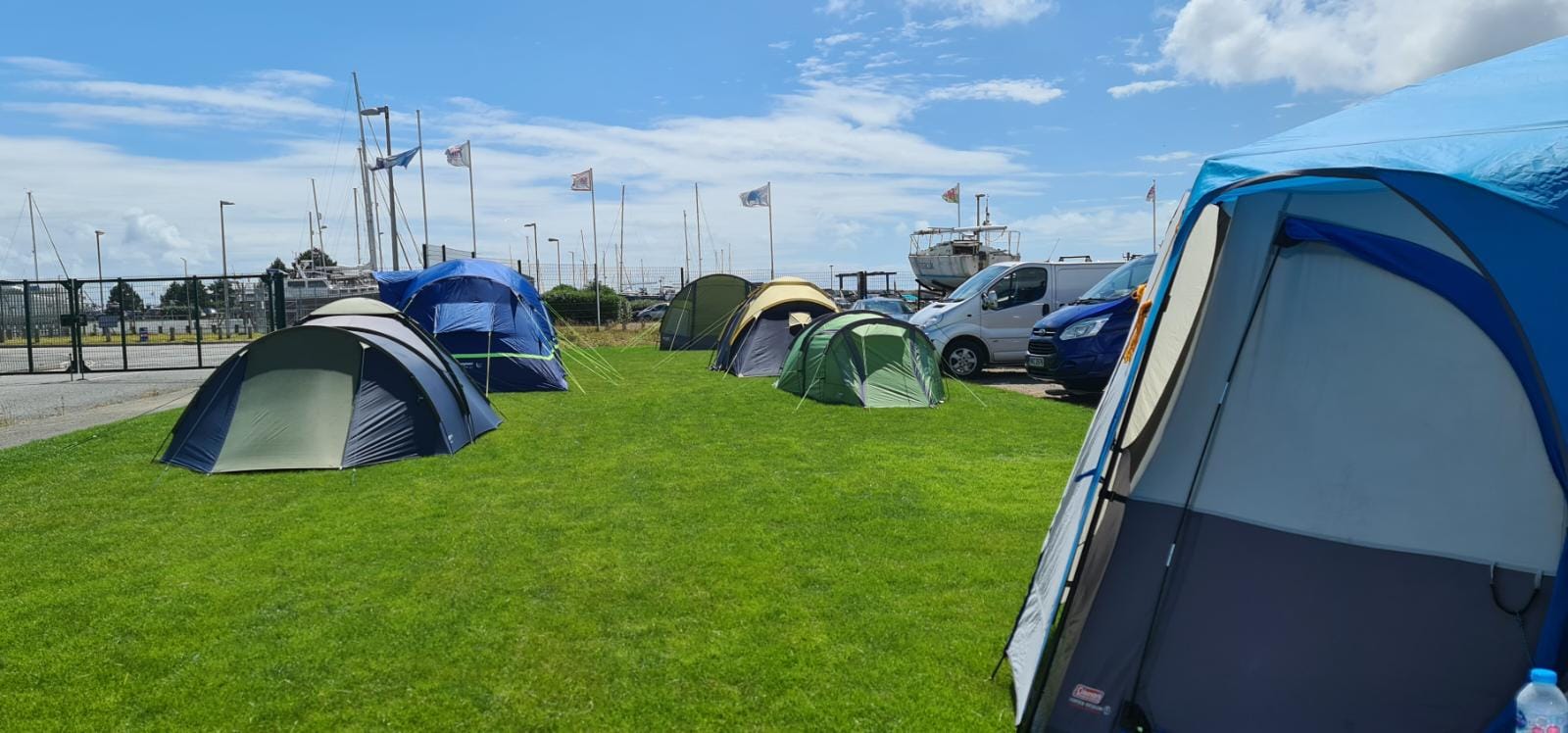
- Events with caravans, motorhomes, campervans, and tents on site
- Events involving external contractors or temporary structures
3. Event Structure & Coordination
3.1 Event Organiser
- Provides event‑specific programme, schedule, and risk assessments.
- Coordinates with Plas Heli Duty Manager and Event Safety Officer (ESO).
- Ensures competitors and teams are briefed on site rules and emergency procedures.
3.2 Plas Heli Duty Manager
- Oversees site operations and building management.
- Ensures facilities, access routes, and welfare provision are maintained.
3.3 Event Safety Officer (ESO)
- Coordinates safety arrangements in line with the Event Safety Plan.
- Maintains awareness of high‑risk activities and temporary structures.
3.4 Race Management / Bridge Team
- Manages on‑water activities, race schedules, and communication with safety boats.
- Works in accordance with RYA race management guidance and risk assessments.
4. Site Layout & Zones
The site is divided into clearly defined zones to support safe and efficient event management:
- Main building – hospitality, offices, changing rooms, welfare facilities.
- Boat compound – rigging, storage, and controlled vehicle access.
- Slipway and beach – launch and recovery operations.
- Car parks – general parking and assembly points.
- Temporary accommodation areas – caravans, motorhomes, campervans, and tents.
- Temporary structures – marquees, briefing tents, race offices.
A site map should be provided to event organisers and displayed for competitors, showing key zones, routes, assembly points, and landing points.
5. Traffic Management & Access
- Vehicle access to the compound is controlled and limited to essential movements.
- Clear separation between pedestrian routes and vehicle routes.
- Speed limits and one‑way systems may be implemented during busy events.
- Emergency access routes must be kept clear at all times.
6. Boat Compound Management
- Allocated rigging areas for classes and fleets.
- Designated zones for trailers and boat storage.
- Fuel storage only in designated external areas, in line with the Fire Risk Assessment.
- Clear walkways maintained between boats and structures.
7. Slipway & Beach Operations
- Launch and recovery supervised by trained volunteers or beachmasters.
- Clear communication between bridge team, safety boats, and beach team.
- Lifejackets worn in designated zones and on slipway when required.
- Slipway kept clear of non‑essential equipment and vehicles.
8. Temporary Structures
- Marquees, briefing tents, and race offices positioned to maintain escape routes.
- Structures secured and inspected regularly, especially in high winds.
- Electrical hook‑ups installed safely and protected from weather and trip hazards.
9. Temporary Accommodation (Caravans, Motorhomes, Campervans & Tents)
- Units positioned to maintain safe spacing and clear access routes.
- Gas bottles and cooking equipment used safely and stored appropriately.
- Electrical hook‑ups not overloaded and cables managed to avoid trip hazards.
- Vehicle movement restricted during peak pedestrian times.
10. Welfare & Facilities
- Toilets, changing rooms, and showers available and signposted.
- First aid points identified and communicated to organisers and competitors.
- Drinking water available at designated points.
- Lost child / vulnerable person procedure in place and communicated.
11. Information & Signage
- Event information boards used for schedules, notices, and safety messages.
- Clear signage for exits, assembly points, first aid, and restricted areas.
- Language and layout kept simple and accessible.
12. Coordination with Safety Documentation
This Generic Event Management Plan must be read alongside:
- Event Safety Plan – Plas Heli
- Fire Risk Assessment – Plas Heli
- Fire Evacuation Plan – Plas Heli
- RYA Event Risk Assessments (race management, beach, slipway, on‑water)
- SAG Questionnaire (for major events)
Event organisers are responsible for ensuring that their event‑specific plans and risk assessments align with these core documents.
Incident & Accident Reporting
All incidents, injuries, and near‑misses must be recorded in the Plas Heli Online Accident Book. This includes medical events, equipment failures, collisions, slips, trips, and any occurrence that could have resulted in harm.
- The Duty Manager or Event Safety Officer must be informed immediately of any incident.
- Safety boat crews, bridge team, and shore contacts must report all on‑water incidents as soon as practicable.
- Event organisers must ensure competitors and coaches are aware of the reporting process.
- Accident Book entries support post‑event review and continuous improvement.
Online Accident Book:
Open Accident Book
13. Incident & Near‑Miss Management
- All incidents and near‑misses reported to the Duty Manager or ESO.
- Incident forms completed and logged for review.
- Learning points shared with organisers and volunteers where appropriate.
14. Review & Continuous Improvement
- Event debriefs used to identify improvements in site use and management.
- Feedback from organisers, volunteers, and class associations considered.
- Plan updated as required to reflect changes in site layout, facilities, or guidance.
Document Control
Version: 1.0
Published: 21 September 2026
Last Updated: 21 September 2026
Next Review: 21 September 2027
Document Owner: Plas Heli Cyf
Responsible Person: Duty Manager
© Plas Heli Cyf. All rights reserved. This Generic Event Management Plan is the property of Plas Heli Cyf and may not be reproduced, distributed, or modified without permission. Event organisers may reference this document for planning and compliance purposes but must ensure they are using the latest published version.
 Located in the Back Bar on the First Floor - every Thursday night from about 6pm.
 Every Tuesday and Wednesday in all three training rooms during the Autumn, Spring and Summer Terms...