- Plas Heli -
The Welsh National Sailing Academy and Events CentrePremier Sailing Event Centre In Wales
A Community Enterprise and a not for profit distribution company
You are viewing the English pages of the web site to switch to Welsh click the flag
 Cymraeg
 ----------------------------------------------
Guidence Notes on Event Safety Plan Template
Safety Plan Guidance Notes
Guidance for completing the Event Safety Plan Template for events at Plas Heli.
These Guidance Notes support visiting event organisers and class associations in completing the Event Safety Plan Template. They explain what information is required, why it matters, and how the completed plan will be used by Plas Heli Operations, volunteers, and the Event Safety Officer (ESO).
The aim is to keep the process simple, friendly, and clear — while ensuring all essential safety information is captured.
1. Event Details
This section identifies the event and provides basic operational information.
- Event Name: Use the full official title (e.g., “Welsh Youth & Junior Championships”).
- Organising Authority: Class association, club, or governing body.
- Event Dates: Include arrival, practice, and race days if applicable.
- Competitor Numbers: Estimate as accurately as possible.
- Fleets / Classes: List each fleet separately (e.g., ILCA 4, ILCA 6, 29er).
- Race Areas: Identify expected race areas (Inshore / Offshore).
Why this matters: It allows Plas Heli to plan safety boat allocation, compound layout, and volunteer support.
2. Purpose
This is a simple statement explaining what the plan is for. Organisers only need to insert the event name.
Why this matters: It ensures the plan is clearly linked to the specific event.
3. Scope
List all activities associated with the event. This helps identify where risks may arise.
Examples include:
- Afloat racing
- Training sessions
- Beach and compound operations
- Briefings and registration
- Temporary structures
- Contractor activity
Why this matters: It ensures the plan covers all relevant areas, not just racing.
4. Roles & Responsibilities
This section identifies who is responsible for key safety roles. Roles are grouped into Ashore and Afloat to reflect operational structure.
Ashore Roles
Event Director
The Event Director provides overall leadership of the event and ensures compliance with Plas Heli policies and RYA guidance.
Why this matters: Clear leadership supports consistent decision‑making and communication.
Plas Heli Duty Manager
The Duty Manager is responsible for site safety, emergency coordination, and welfare facilities.
Why this matters: The Duty Manager is the key link between the event and Plas Heli operations.
Bridge Team
The Bridge Team manages race documentation, timing, and communications with afloat teams.
Why this matters: Accurate communication between ashore and afloat teams is essential for safety.
Beach Team
The Beach Team manages competitor flow, welfare needs, and general safety around the beach area.
Why this matters: This team often identifies issues early and supports competitor wellbeing.
Tally Team
The Tally Team manages tally‑out and tally‑in systems and ensures competitor accountability.
Why this matters: Tallying is a critical safety system for ensuring all competitors return ashore.
Afloat Roles
Principal Race Officer (PRO)
The PRO is responsible for afloat race management and works closely with the CSL to assess conditions and make safety decisions.
Why this matters: The PRO is central to afloat decision‑making and communication.
Course Safety Lead (CSL)
The CSL leads afloat safety operations, coordinates safety boats, and advises on weather and fleet behaviour.
Why this matters: The CSL ensures safety boats respond effectively and consistently.
Safety Boat Crews
Safety boat crews provide on‑water safety cover, respond to incidents, and report issues to the CSL and ESO.
Why this matters: They are the first responders during afloat incidents.
5. Communication & Briefings
Organisers should describe how they will communicate safety information to competitors and volunteers.
Include:
- Daily volunteer briefings
- Competitor briefing content
- Radio channels used
- How changes (e.g., weather) will be communicated
Why this matters: Good communication prevents incidents and ensures everyone knows what to do.
6. Welfare & Facilities
Organisers should confirm welfare arrangements such as toilets, changing rooms, drinking water, and first aid points.
Why this matters: Welfare provision is a statutory requirement and part of duty of care.
7. Safeguarding
Organisers must ensure safeguarding policies are communicated to participants and volunteers.
Why this matters: Safeguarding is a legal requirement and essential for youth events.
8. Temporary Structures
Organisers should describe any temporary structures they intend to use (e.g., marquees, briefing tents).
Include:
- Location
- Size
- Anchoring method
- Electrical supply (if any)
Why this matters: Structures must not block escape routes or create hazards.
9. Boat Compound Safety
Organisers should outline how they will manage rigging areas and pedestrian flow.
Why this matters: These are high‑risk areas with mixed movement and equipment.
10. Temporary Accommodation
If the event includes caravans, motorhomes, or tents, organisers should describe how spacing, access routes, and safety will be managed.
Why this matters: Temporary accommodation can create fire and access risks if not managed properly.
11. Severe Weather Procedures
Organisers should describe how they will monitor weather and respond to high winds, lightning, or unsafe sea states.
Why this matters: Weather is one of the most common causes of incidents and abandonment.
12. Incident & Accident Reporting
Organisers must ensure competitors, coaches, and volunteers know how to report incidents.
Why this matters: Accurate reporting supports post‑event review and continuous improvement.
13. Medical & Emergency Response
Organisers should confirm how medical incidents will be managed and how the ESO will be informed.
Why this matters: Clear medical pathways reduce delays and ensure correct landing points are used.
14. Landing Points & What3Words
Organisers should familiarise themselves with landing points and ensure safety boat crews know the correct locations.
Why this matters: Accurate location information speeds up emergency response.
15. Key Contacts
Organisers must provide contact details for their ESO, event organiser, and any key officials.
Why this matters: Quick access to contact information is essential during incidents.
Document Submission
Completed Event Safety Plans must be submitted to Plas Heli Operations before the event. This allows the Duty Manager and ESO to prepare volunteers, safety boats, and site arrangements.
Document Control
Version: Guidance Notes v1.1
Last Updated: 28 September 2026
Next Review: Annual or post‑major event
- Details
- Hits: 29
Balcony & External Areas SOP
🏖️ Balcony & External Areas SOP
The balcony and external areas are lovely spaces enjoyed by competitors, visitors, volunteers, and people from the local community — including those who simply drop in after a walk on the beach. This guide is here to help volunteers and Duty Managers keep these areas welcoming and safe in a simple, friendly way.
You don’t need to carry out formal inspections or detailed checks. Just being aware of a few things really helps us keep Plas Heli — The Welsh Sailing Academy, Event Centre and Community Enterprise — running smoothly.
Why This Matters
A few small actions make a big difference:
- helping keep the balcony tidy and inviting
- spotting anything that might be a trip or wind hazard
- letting the Duty Manager know if something needs attention
- making sure visitors feel welcome and safe
There’s no pressure — just do what you can.
Friendly Things to Look Out For
If you’re on duty or helping out, here are a few simple things that really help:
- Have a quick look around for anything on the floor (cups, litter, debris).
- See if tables and chairs look steady and sensibly placed.
- If it’s windy, gently secure or move anything light that might blow away.
- Make sure pathways and access routes look clear.
- If something seems unsafe, just mention it to the Duty Manager.
No need to fix things yourself — just letting someone know is perfect.
Weather Awareness
Wind can affect the balcony more than people expect. It’s helpful if volunteers:
- notice if menus, leaflets, or light items are blowing around
- close parasols if they’re open and it’s breezy
- let the Duty Manager know if the wind feels strong
If the balcony ever needs to be closed for safety, the Duty Manager will handle it.
Busy Event Days
On event days, the balcony can get busy with spectators and visitors. Volunteers can help by:
- keeping an eye out for crowded spots
- helping visitors find space or move safely
- passing on any concerns to the Duty Manager
You’re not responsible for managing crowds — just being a friendly presence helps.
End‑of‑Day Help
If you’re around at closing time, it’s really helpful if you:
- bring in or stack any loose chairs
- pick up any small items that might blow away overnight
- let the Duty Manager know if anything looks damaged or needs attention
Again, no pressure — anything you do is appreciated.
Duty Manager Notes
Duty Managers lead on balcony safety. Volunteers simply support by:
- being aware of the area
- helping keep things tidy
- passing on anything that needs attention
Volunteers are never expected to carry out formal checks or make safety decisions.
- Details
- Hits: 34
Food Hygine (Overview)
🍽️ Food Hygiene Overview
The catering provision at Plas Heli is operated by an independent franchisee. As a result, all food hygiene compliance, food safety management, and statutory documentation are managed directly by the franchisee and regulated by Gwynedd Council Environmental Health.
Plas Heli maintains oversight to ensure that the franchisee continues to meet statutory requirements and that the venue remains compliant with food hygiene legislation.
Franchisee Responsibilities
The catering franchisee is responsible for:
- Maintaining a valid Food Hygiene Rating issued by Gwynedd Council
- Operating a compliant HACCP food safety management system
- Managing allergen controls and customer information
- Maintaining temperature logs for food storage and preparation
- Ensuring staff hold appropriate food safety training (e.g., Level 2 Food Safety)
- Maintaining cleaning schedules and hygiene records
- Holding appropriate public liability and food safety insurance
Plas Heli Oversight
Plas Heli’s role is to ensure that the franchisee:
- Maintains statutory compliance at all times
- Provides documentation when required for audits or inspections
- Responds promptly to Environmental Health recommendations
- Operates safely during events hosted at the venue
Event Organiser Information
Event organisers do not need to include food hygiene documentation for the Plas Heli café bar within their Event Management Plan (EMP). Catering is provided independently by the franchisee.
However, any external food vendors brought in for events must provide:
- A valid Food Hygiene Rating
- Public Liability Insurance
- Allergen information
These documents should be included within the event’s EMP submission.
Contact
For oversight queries or to request documentation from the franchisee, please contact:
- Details
- Hits: 43
Document Pending Digital Publication
📘 Event Organiser Playbook | 📝 Before You Arrive Checklist | 📘 Event Management Plan (EMP) Library | 🛟 Safety Documents | 📑 Compliance Documents
📄⚠️ Document Pending Digital Publication
This document is part of the Plas Heli governance, safety, and operational framework, but it has not yet been published in digital format.
Digital Library Development
Plas Heli is actively expanding this digital documentation platform. Many of our long‑standing paper documents are being migrated into structured online libraries.
If you require this document urgently, or if it is needed for your Event Management Plan (EMP), SAG submission, or event planning, please contact:
We will prioritise its publication in our workflow.
Document Status
- Status: Pending digital publication
- Source: Paper‑based archive
- Migration: Scheduled for digital conversion
- Review Cycle: Ongoing
- Details
- Hits: 608
Document Pending Digital Publication Compliance
📄⚠️ Compliance Section Under Development
This section of the Plas Heli Compliance Framework is currently being digitised and prepared for online publication.
Our compliance documentation covers statutory requirements, venue safety, operational procedures, environmental responsibilities, governance, and event‑specific obligations. Each section is being migrated from paper‑based archives into structured digital libraries.
Digital Migration Status
If you require documents from this section urgently — for event planning, EMP development, SAG submission, contractor compliance, or operational preparation — please contact:
We will prioritise publication or provide the required documents directly.
Section Status
- Status: Section content pending digital publication
- Source: Paper‑based compliance archive
- Migration: In progress
- Review Cycle: Ongoing
- Details
- Hits: 1346
Before You Arrive Checklist
Before You Arrive Checklist
The Before You Arrive Checklist provides a practical, step‑by‑step preparation guide for visiting event organisers at Plas Heli, the Welsh National Sailing Academy & Events Centre. It helps ensure that all governance, safety, compliance, and operational arrangements are in place before arriving on site.
This checklist should be completed before drafting your Event Management Plan (EMP) and before submitting documentation to SAG.
Digital Library Development
Plas Heli is actively expanding this digital documentation platform. Many of our long‑standing paper documents are being migrated into structured online libraries. If you require a checklist item, template, or reference that is not yet available here, the Plas Heli Operations Team will provide it directly.
This checklist will continue to grow as we publish more organiser‑facing guidance, safety procedures, and venue‑specific requirements. If something you need is missing, please let us know — we are here to help.
High‑Priority Preparation Areas
These areas contain essential actions that organisers must complete before arriving on site.
- Governance & Responsibilities: Confirm roles, responsibilities, and organisational structure. (See Playbook)
- SAG Notification: Determine whether your event requires SAG notification and prepare the necessary documentation. (See Playbook)
- Safety Planning: Review afloat and ashore safety requirements, including safety boat fleet, weather limits, and emergency arrangements. (See EMP Library)
- Medical Arrangements: Confirm medical cover, first aid provision, and casualty extraction routes. (See EMP Library)
- Compliance Documentation: Ensure all statutory documents (PLI, FRA, EICR, Gas Safety, etc.) are available and valid. (See Compliance Library)
- Operational Procedures: Review key safety procedures including Lost Children & Vulnerable Adults, Launch & Recovery, and Emergency Actions. Lost Children Procedure
- Communications & Briefings: Prepare daily briefings, competitor communications, and incident reporting workflows. (See EMP Library)
How the Checklist Supports Your Event
The Before You Arrive Checklist works alongside the Playbook, EMP Library, Safety Documents, and Compliance Documents to provide a complete preparation workflow for visiting event organisers.
Event organisers should ensure that:
- The checklist is completed before arriving on site
- All checklist items are reflected in the EMP
- Safety and compliance documents are prepared in advance
- Volunteers and team leaders are briefed using checklist content
- Any missing checklist items are requested from Plas Heli Operations
Document Control
Document Title: Before You Arrive Checklist – Landing Page
Version: 1.3 (refined layout + Digital Library message + High‑Priority Areas)
Review Cycle: Annual or post‑major event
- Details
- Hits: 77
Document Hub
Documentation Hub
The Documentation Hub is the central gateway to all operational, governance, safety, and statutory documents used at Plas Heli, the Welsh National Sailing Academy & Events Centre. It provides a clear starting point for event organisers, race management teams, volunteers, and partner organisations.
All documentation is organised into five core pillars. Each pillar contains the resources needed to plan, brief, deliver, and review events safely and effectively.
The Five Pillars of Event Documentation
Event Organiser Playbook
Your primary organiser briefing: venue rules, responsibilities, SAG expectations, and high‑hazard requirements.
Open PlaybookBefore You Arrive Checklist
A practical pre‑event preparation guide covering governance, safety, medical arrangements, licensing, and communications.
Open ChecklistEvent Management Plan (EMP) Library
The complete governance and planning framework required for SAG submissions, insurers, and event delivery.
Open EMP LibrarySafety Documents Hub
Operational safety procedures for volunteers, race management teams, safety crews, and event organisers.
Open Safety DocumentsCompliance Documents Hub
Statutory and venue‑level documentation required for legal compliance, licensing, and insurance validation.
Open Compliance DocumentsHow These Pillars Work Together
Together, the five pillars provide a complete framework for:
- Planning – governance, risk, and safety preparation
- Briefing – organisers, volunteers, and race teams
- Delivery – safe and compliant event operations
- Review – post‑event reporting and continuous improvement
This structure ensures clarity, consistency, and compliance across all events hosted at Plas Heli.
Document Control
Document Title: Documentation Hub
Version: 2.0 (Five‑Pillar Structure)
Review Cycle: Annual or post‑major event
- Details
- Hits: 239
Subcategories


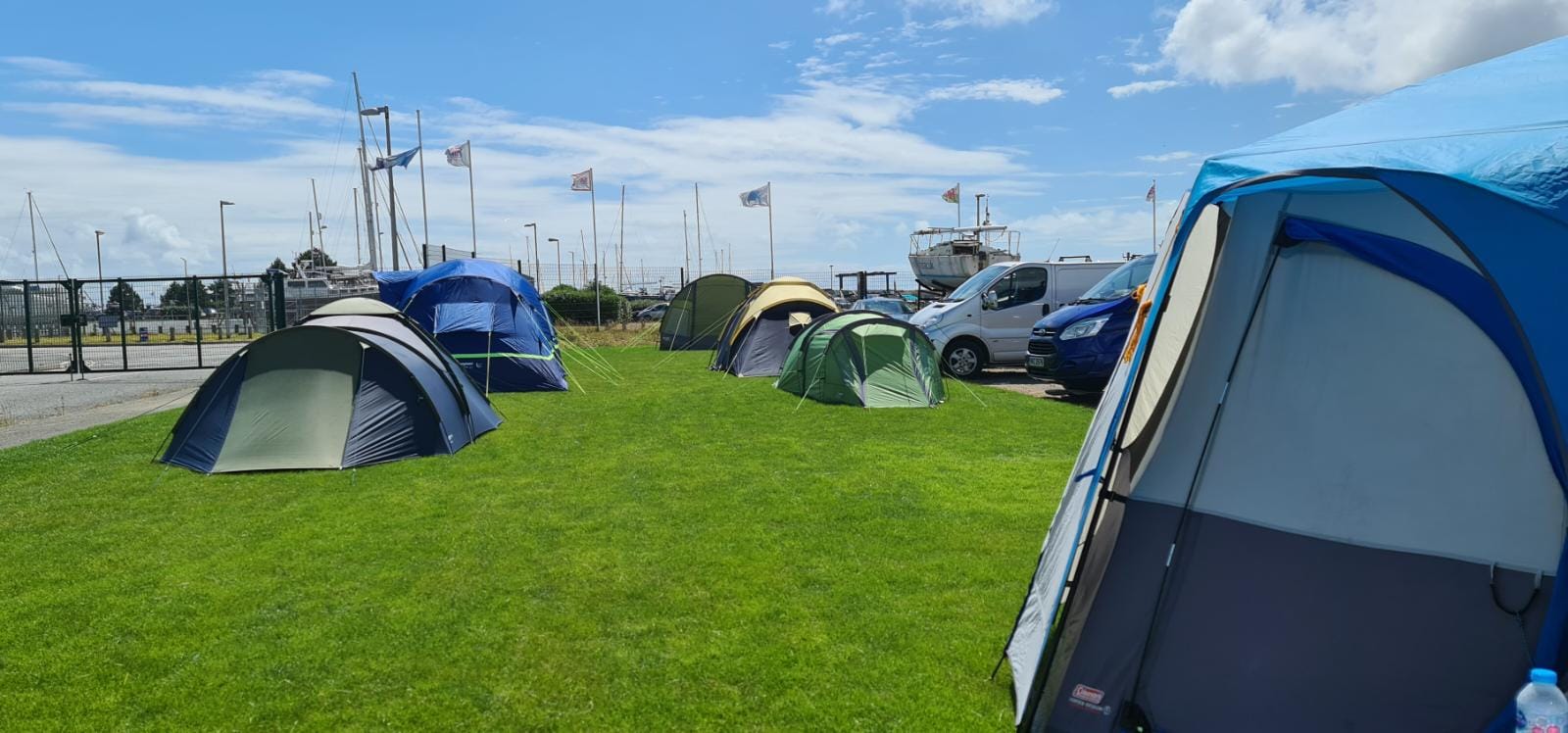


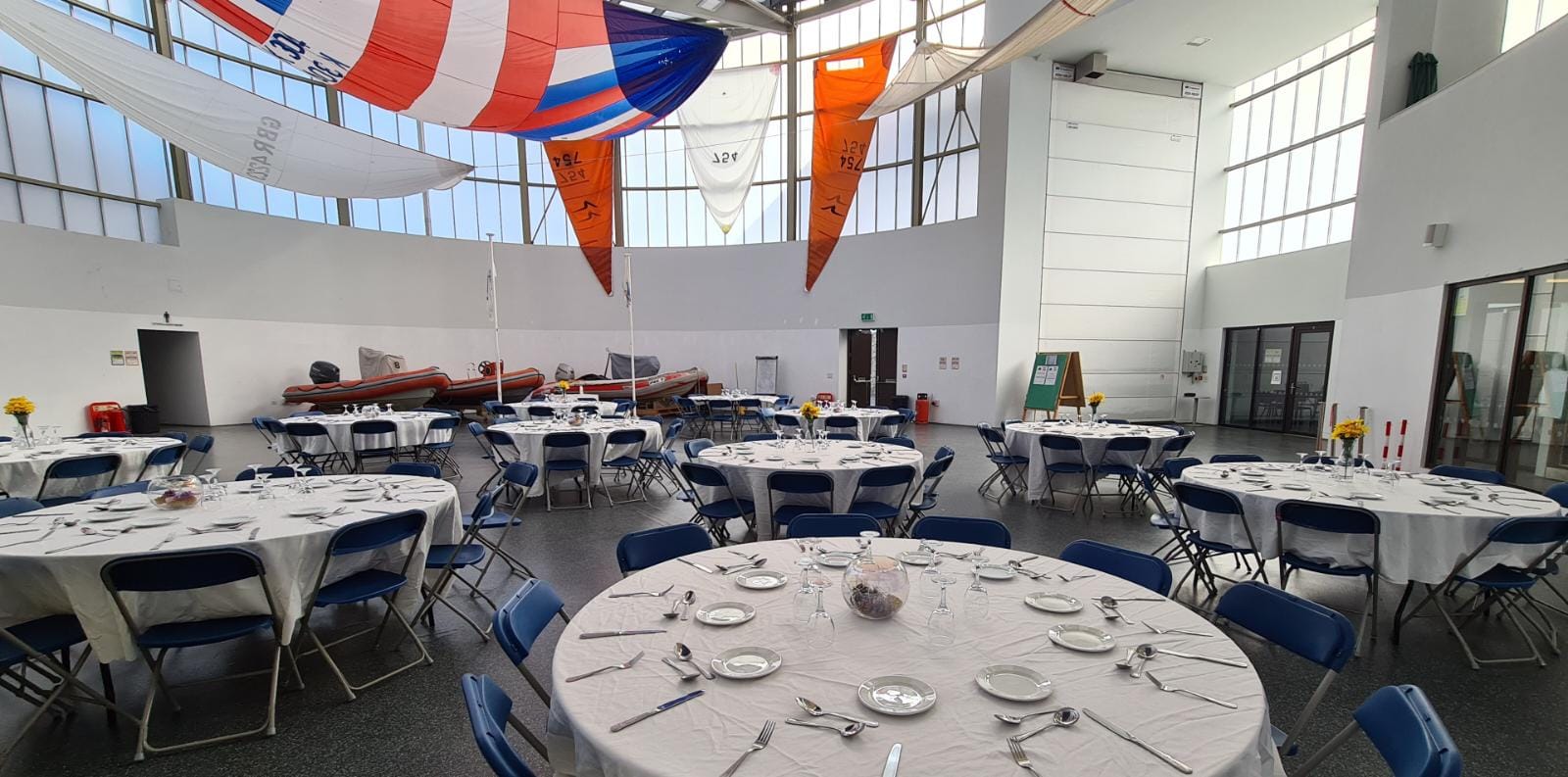

Facilities at Plas Heli

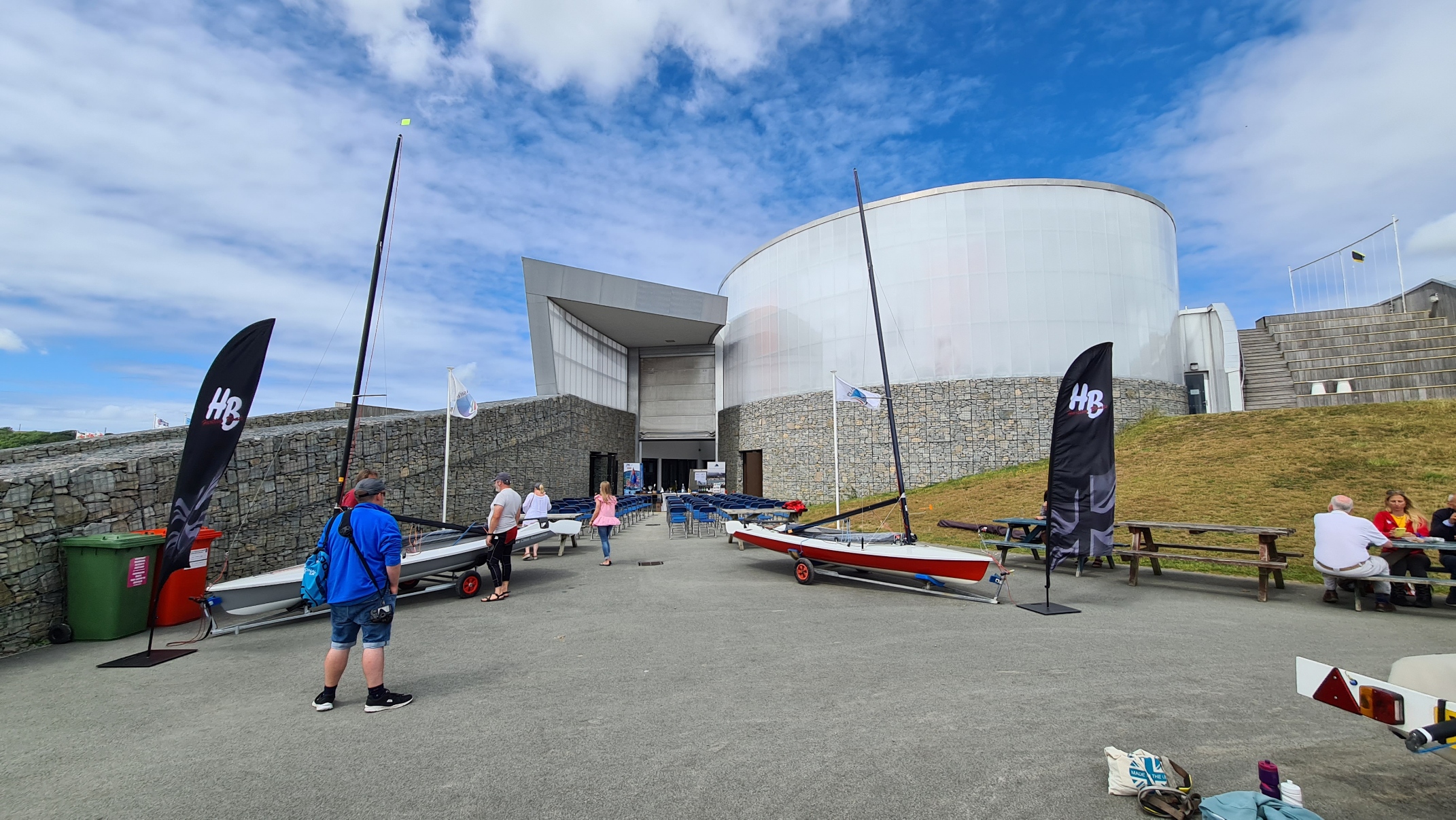

Quick Links to Plas Heli - Facilities
| Pontoons - Berths at Plas Heli | Camping at Plas Heli | Room Hire at Plas Heli | Other Facilities | Bar and Catering |
Plas Heli Cyf is a Community Enterprise, Not for Profit Distribution Company






 Contact Information
Plas Heli Cyf. Glan y Don, Pwllheli, Gwynedd LL53 5YT
Catering and Bar: 01758 614 442
(only catering enquiries to this telephone number please)
Please note the office is not manned and your enquiries would be attended to more efficiently if you send an e-mail to the appropriate department - please use the appropriate link from the 'contact us' here
Company Registration No. 08082514. VAT No. GB 164061430