- Plas Heli -
Academi Hwylio Genedlaethol a Chanolfan Ddigwyddiadau
Prif Ganolfan Digwyddiad Hwylio yng Nghymru
Cyfleuster Cymunedol
You have landed on the Welsh pages of the web site to switch to English click the flag.
 English (UK)
 -----------------------------------------
Insurance
SECTION 9 – INSURANCE
9.1 Overview
This section outlines the insurance requirements for events held at Plas Heli. Appropriate insurance cover must be in place for the venue, event organisers, class associations, volunteers, and all vessels involved in the event. These arrangements ensure compliance with legal obligations and provide protection for participants, staff, and the public.
9.2 Plas Heli Insurance
Plas Heli maintains public liability insurance covering activities taking place within the venue and its managed areas. This includes:
- public access areas within the Plas Heli site
- the compound and boat park
- event rooms and operational spaces
- volunteer activities under Plas Heli direction
Dinghy launching takes place on the beach and is not part of Plas Heli’s insured infrastructure.
RIB launching is carried out by third‑party contractors, who are responsible for their own insurance and operational safety.
Copies of Plas Heli’s insurance documentation are available to the Duty Manager and Event Safety Officer.
9.3 Event Organiser / Class Association Insurance
Event organisers and class associations must provide evidence of suitable insurance for their event. This typically includes:
- public liability insurance for the event
- race management insurance (if applicable)
- cover for officials appointed by the class association
Insurance certificates must be supplied to Plas Heli prior to the event and retained with the Duty Manager’s event records.
9.4 Competitor Insurance
All competing vessels must carry valid insurance, including:
- third‑party liability cover (minimum level specified in the Notice of Race)
- any additional cover required by the class association
The Notice of Race and Sailing Instructions must clearly state the minimum insurance requirements for competitors.
9.5 Safety Boat Insurance
All safety boats used during the event must be appropriately insured. This includes:
- Plas Heli‑owned safety boats
- club safety boats
- privately owned safety boats operating under event control
Insurance must cover:
- third‑party liability
- use in safety and rescue operations
- volunteer drivers and crew
Where boats are hired or loaned, the Duty Manager must confirm insurance arrangements before the event begins.
9.6 Volunteer Insurance
Volunteers operating under Plas Heli direction are covered by Plas Heli’s public liability insurance. This includes:
- Bridge personnel
- beach and compound teams
- shore‑based support volunteers
Volunteers must follow Plas Heli procedures to remain within the scope of insurance cover.
9.7 Contractor Insurance
Any contractors engaged for the event (e.g., catering, technical services, equipment hire) must provide:
- public liability insurance
- professional indemnity insurance (where relevant)
Contractor insurance documents must be checked by Plas Heli management or the event organiser.
9.8 Insurance Linked to Licensing
Where licensing arrangements introduce additional risk (e.g., Temporary Event Notices, extended bar areas, amplified entertainment), the event organiser must ensure that:
- insurance cover is adequate for the licensed activity
- any conditions imposed by Gwynedd Council are followed
9.9 Compliance Statement
All event personnel, organisers, and contractors must comply with the insurance requirements outlined in this section. Failure to provide or maintain appropriate insurance may result in exclusion from the event or suspension of activities until the issue is resolved.
- Manylion
- Trawiadau: 86
Bridge - Quick Reference Card
Plas Heli – Bridge, Shore Contacts, Coaches & Volunteers
A concise operational overview for event personnel. For full details, see the linked articles below.
1. Essential Documents
Before the event begins, ensure you have:
- Event Safety Management Plan
- List of competitors
- Radio channel plan
- Contact numbers for ESO, Duty Manager, Bridge Lead
2. Key Contacts
- Event Safety Officer (ESO) – leads medical & emergency response
- Duty Manager – coordinates shore operations
- Bridge Lead – manages VHF monitoring & logging
- Event Medic – first point of medical assessment
3. Medical Response – Quick Overview
Initial Assessment
- Safety Boat assesses casualty
- Contact Event Medic for direction
- Medic decides landing point:
- First Aid Landing Point
- Emergency Landing Point (for significant injuries)
Significant Injury
If casualty is not walking, has a serious injury, or an ambulance is requested:
Casualty must be taken to the Emergency Landing Point.
Ambulance Arrival Point
- Roundabout entrance to the quayside
- what3words: ///slices.booms.fruity
Safety Boat Landing Point
- Hammerhead berth
- what3words: ///copes.regretted.cadet
4. Emergency Calls
Who calls 999?
- ESO only, unless life is in grave and imminent danger.
“An emergency call can be made by personnel on the water, if they deem that life is in grave and imminent danger…”
If a safety boat calls 999 directly, they must inform the ESO immediately.
5. Medical Centres
Main Hospital (Emergency Department)
- Ysbyty Gwynedd, Bangor
- what3words: ///collect.golden.slipping
Minor Injuries Unit (MIU)
- Bryn Beryl Hospital, Pwllheli
- what3words: ///humans.measuring.clinked
Event personnel should be assessed by the Event Medic first.
6. Communications Overview
Bridge
- Monitors all VHF channels
- Logs incidents
- Supports Duty Manager & ESO
- Coordinates afloat ↔ ashore communication
Radio Protocol
- Short, clear messages
- Plain language
- Identify yourself
- Emergency phrase: PRIORITY MESSAGE
- Log significant messages
7. Landing Points (Summary)
| Purpose | Location | what3words |
|---|---|---|
| Ambulance Arrival | Quayside roundabout | ///slices.booms.fruity |
| Safety Boat Landing | Hammerhead berth | ///copes.regretted.cadet |
| Emergency Landing Point | As marked on site plan | (use site plan reference) |
| First Aid Landing Point | As marked on site plan | (use site plan reference) |
8. Quick Links to Full Articles
- Event Medical & Emergency Landing Procedures
- Bridge Protocols
- Volunteer Briefing Sheet
- Bridge & Communications Quick Reference Card
- Lost Children & Vulnerable Adults Procedure
- Safety Boat Procedures (when created)
9. Site Access Codes (Bridge Responsibility)
The Bridge holds all current site access codes, including:
- compound gates
- pontoon access gate
- emergency landing point access
- building access points used during events
This ensures the Bridge can support:
- safety boat casualty landings
- ambulance arrival coordination
- ESO and Duty Manager access
- controlled movement during incidents
- rapid response to locked‑gate situations
Volunteers must not share access codes unless authorised by the Duty Manager or ESO.
10. Quick Reminders
- People first, equipment second
- ESO leads medical response
- Bridge maintains radio watch
- Log everything significant
- Use PRIORITY MESSAGE for emergencies
- Know your landing points
- Stay calm, communicate clearly
- Manylion
- Trawiadau: 104
Volunteer Briefing Sheet
Volunteer Briefing Sheet – Bridge & Event Communications
This briefing sheet provides volunteers with essential information to support event communications at Plas Heli, including radio use, Bridge operations, logging, and emergency procedures.
A Quick Reference Card is available for volunteers who require a concise, at‑a‑glance summary of key actions and protocols. [Insert link to Quick Reference Card article here]
1. Your Role in Event Communications
Volunteers support safe and effective communication by:
-
assisting with radio monitoring
-
supporting the Bridge team
-
relaying information to the Duty Manager
-
helping log incidents or messages
-
maintaining awareness of safety‑related communication
If unsure, speak to the Bridge Lead or Duty Manager.
2. The Bridge – Overview
The Bridge is the central communications hub during events.
-
Monitors all VHF channels via four base units
-
Coordinates communication between afloat and ashore teams
-
Supports the Duty Manager and Event Safety Officer
-
Must be staffed whenever boats are afloat
Bridge Team Roles
-
Bridge Lead – oversees communication and logging
-
Radio Operator(s) – monitors VHF channels
-
Log Keeper – records key events and messages
Volunteers may be asked to support any of these roles.
3. Radio Use – Key Points
Basic Radio Protocol
-
Keep messages short and clear
-
Use plain language
-
Identify yourself before speaking
-
Avoid unnecessary chatter
-
Report hazards or incidents immediately
-
Use “PRIORITY MESSAGE” for emergencies
If You Are on the Bridge
-
Listen carefully to all channels
-
Do not interrupt unless necessary
-
Log important messages
-
Alert the Bridge Lead or Duty Manager to anything urgent
4. Logging – What to Record
Record:
-
time of message
-
sender
-
content
-
action taken
-
follow‑up required
Messages that MUST be logged
-
capsizes
-
injuries
-
lost child alerts
-
PRIORITY MESSAGE calls
-
emergency service contact
-
weather changes affecting safety
-
gate closures or access issues
-
any message escalated to Duty Manager or Event Safety Officer
Logs must be factual, clear, and chronological.
5. Emergency Communication – Volunteer Actions
During an emergency:
-
Stay calm
-
Listen for PRIORITY MESSAGE
-
Do not speak unless asked
-
Log all instructions and actions
-
Follow direction from Bridge Lead or Duty Manager
Safety boats may be directed to the Pontoon Access Gate for casualty evacuation.
6. General Expectations for Volunteers
-
Arrive on time for your briefing
-
Wear appropriate clothing
-
Keep radios dry and secure
-
Maintain situational awareness
-
Support the Bridge team and Duty Manager
-
Report hazards immediately
-
Ask if unsure about anything
7. Key Locations
-
Bridge – communications hub
-
Duty Manager Station – Reception or Events Manager Room
-
Pontoon Access Gate – casualty evacuation point
-
Slipway / Beach – high‑activity communication zone
8. Quick Reminders
-
Radios: short, clear, professional
-
Bridge: listen first, speak only when needed
-
Logging: time + sender + message + action
-
Emergencies: PRIORITY MESSAGE → log → follow instructions
-
Safety: people first, equipment second
- Manylion
- Trawiadau: 77
Communications
5. Communications
Effective communication is essential for the safe and efficient running of events at Plas Heli. This section outlines the communication systems, protocols, and responsibilities used during events, including radio use, emergency communication, public announcements, and coordination between volunteers, organisers, and external agencies.
These arrangements apply to all events unless superseded by class‑specific requirements or additional controls agreed with the organiser, RYA, RYA Cymru Wales, or the Local Authority Safety Advisory Group (SAG).
5.1 Communication Systems
Plas Heli uses a combination of communication methods to ensure clear and reliable information flow:
-
VHF radios (for safety boats, committee boats, and key volunteers)
-
UHF / site radios (for shore‑based volunteers and Duty Manager)
-
Mobile phones (backup communication and emergency contact)
-
Public address (PA) system in the main hall
-
WhatsApp / digital groups (event‑specific, if approved by organiser)
-
Notice boards and briefing screens inside the building
All communication systems must be tested before the event begins.
5.2 Radio Communications
Radio Channels
Event organisers will allocate radio channels for:
-
Safety boats
-
Committee boats
-
Beach and slipway volunteers
-
Duty Manager / Event Safety Officer
-
Race Office / Event Control
A channel plan must be included in the volunteer briefing.
Radio Protocol
-
Keep messages short, clear, and relevant.
-
Use plain language (no codes).
-
Always identify yourself before speaking.
-
Avoid unnecessary chatter.
-
In an emergency, use the phrase: “PRIORITY MESSAGE”.
-
Safety boats must maintain radio watch at all times while afloat.
Radio Checks
-
Conduct radio checks before launching.
-
Any radio faults must be reported immediately to the Duty Manager.
5.3 Communication Between Key Roles
Duty Manager
-
Central point for all operational communication.
-
Coordinates responses to incidents, hazards, and emergencies.
-
Maintains contact with volunteers, organisers, and safety boats.
Event Safety Officer
-
Supports the Duty Manager with safety‑related communication.
-
Receives reports of hazards, near‑misses, and incidents.
-
Communicates changes to safety arrangements.
The Bridge (Shore Contact / Event Communications Hub)
During events, the Bridge acts as the primary shore‑based point of contact between teams afloat and teams ashore. It is staffed by trained volunteers and/or event officials and provides continuous monitoring of all VHF communications.
The Bridge is equipped with:
-
Four VHF base units, allowing simultaneous monitoring of multiple channels
-
Space for a team of four, with capacity for additional personnel if required
-
Direct communication links with:
-
Safety boats
-
Committee boats
-
Duty Manager
-
Event Safety Officer
-
Race Office
-
Harbour Office (if required)
-
Bridge Responsibilities
-
Maintain continuous VHF radio watch throughout the event
-
Log significant communications, incidents, and priority messages
-
Relay information between afloat teams and shore‑based teams
-
Support the Duty Manager with situational awareness
-
Assist with coordinating responses to incidents, capsizes, injuries, or emergencies
-
Monitor weather updates and changes affecting racing or safety
-
Provide communication support during launching and recovery
The Bridge is a critical part of Plas Heli’s communication structure and must be staffed at all times when boats are afloat.
Safety Boats
-
Maintain continuous radio watch.
-
Report incidents, capsizes, injuries, or hazards immediately.
-
Coordinate with the Duty Manager for casualty evacuation.
Committee Boats
-
Communicate race management decisions.
-
Inform Duty Manager of any incidents affecting safety.
Beach & Slipway Volunteers
-
Communicate launching and recovery status.
-
Report congestion, hazards, or public interaction issues.
5.4 Emergency Communications
The Bridge plays a central role in emergency communication. Full operational procedures are detailed in the separate “Bridge Protocols” article. Follow this link
In an emergency:
-
Use “PRIORITY MESSAGE” on the radio to clear the channel.
-
Provide:
-
nature of the emergency
-
exact location
-
number of people involved
-
immediate hazards
-
-
Duty Manager coordinates the response.
-
If required, call 999 and state: “Plas Heli, Pwllheli”
-
Safety boats may be directed to the Pontoon Access Gate for casualty evacuation.
-
Committee boats may suspend racing if necessary.
All emergency communications must be logged.
5.5 Public Announcements
The PA system may be used for:
-
safety announcements
-
schedule changes
-
weather updates
-
lost child alerts
-
evacuation instructions
Announcements must be:
-
clear
-
concise
-
bilingual (where possible)
-
approved by the Duty Manager or Event Safety Officer
5.6 Communication With Competitors & Coaches
Information may be provided via:
-
competitor briefings
-
notice boards
-
WhatsApp groups (if approved)
-
event website
-
race office announcements
Competitors must be informed of:
-
launching times
-
safety arrangements
-
weather updates
-
changes to the schedule
-
emergency procedures
Coaches must maintain communication with the Duty Manager during high‑risk periods.
5.7 External Agency Communication
The Duty Manager or Event Safety Officer may need to communicate with:
-
Emergency services
-
Harbour Office
-
Local Authority SAG
-
RYA / RYA Cymru Wales
-
Contractors
Contact details must be available in the Duty Manager folder.
Any digital communication (WhatsApp groups, email lists, shared documents) must:
-
be approved by the organiser
-
avoid sharing personal data unnecessarily
-
comply with Plas Heli’s data protection policy
-
be used only for event‑related communication
5.9 Summary
Clear, reliable communication is essential for safe event delivery at Plas Heli. Radio discipline, structured information flow, and coordinated messaging ensure that volunteers, organisers, competitors, and external agencies can respond effectively to both routine operations and emergencies.
- Manylion
- Trawiadau: 106
Health & Safety Arrangements
4. Health & Safety Arrangements
Plas Heli is committed to providing a safe environment for all competitors, volunteers, visitors, contractors, and staff. This section outlines the general health and safety arrangements in place for events held at the venue, including responsibilities, welfare provision, medical arrangements, water safety, public interaction, and controls for common event‑related risks.
These arrangements apply to all events unless superseded by class‑specific requirements or additional controls agreed with the organiser, RYA, RYA Cymru Wales, or the Local Authority Safety Advisory Group (SAG).
4.1 Responsibilities
Duty Manager
-
Oversees all health and safety arrangements during the event.
-
Ensures volunteers are briefed and competent for their roles.
-
Acts as the central point of coordination for incidents, accidents, and near‑misses.
-
Ensures welfare facilities are available and maintained.
Event Safety Officer
-
Supports the Duty Manager in monitoring safety.
-
Conducts dynamic risk assessments throughout the event.
-
Ensures event‑specific hazards are controlled (e.g., launching, pontoons, public interaction).
-
Liaises with class representatives and visiting coaches.
Volunteers
-
Follow briefings and instructions.
-
Report hazards immediately.
-
Maintain safe working practices at all times.
Contractors
-
Must comply with Plas Heli safety rules.
-
Must provide risk assessments for any high‑risk work (e.g., electrical, welding, generator use).
-
Must sign in and out via the Duty Manager.
4.2 General Safety Controls
Slips, Trips and Falls
-
Walkways, stairways, and external routes must be kept clear.
-
Wet‑floor signage used during adverse weather or cleaning.
-
Boats, trolleys, and equipment must not obstruct public paths or emergency routes.
Manual Handling
-
Volunteers must avoid lifting heavy boats or equipment alone.
-
Launching and recovery must be supervised to prevent strain injuries.
-
Trolleys must be used wherever possible.
Weather‑Related Risks
-
Duty Manager monitors Met Office forecasts and local conditions.
-
High winds may require:
-
suspension of launching
-
securing boats in the compound
-
restricting balcony access
-
-
Extreme heat or cold requires additional welfare measures.
Crowd Management
-
Public areas must remain clear during launching and recovery.
-
Balconies must not exceed safe occupancy levels.
-
Volunteers positioned at pinch points (shared path, washdown gate, balcony stairs).
4.3 Water Safety
Water safety arrangements follow RYA and RYA Cymru Wales guidance.
Safety Boat Operations
-
All safety boats must comply with harbour rules (4‑knot limit, marked channel).
-
Crews must be briefed on:
-
Training Wall hazard
-
pontoon evacuation procedures
-
casualty handling
-
-
Boats must be securely berthed when not in use.
Launching and Recovery
-
Controlled route from compound → washdown → shared public path → beach.
-
Stewards positioned at key points.
-
Boats must not be left unattended on the shared path.
Casualty Evacuation
-
Primary evacuation point: Pontoon Access Gate.
-
Gate must remain clear at all times.
-
Safety boats must communicate via radio before returning with a casualty.
4.4 First Aid & Medical Provision
First Aid
-
First aid kits located in:
-
Plas Heli Receotion
-
Plas Heli Office
- Events Manager Room (usually Room 2)
-
Safety boats and Committee boats.
-
-
Volunteers must know the location of first aid equipment.
Medical Emergencies
-
Dial 999 and state: “Plas Heli, Pwllheli”.
-
Duty Manager coordinates access for emergency services.
-
Casualties may be brought to the pontoon gate or directly to the building depending on severity.
Defibrillator (AED – Automated External Defibrillator)
-
A Defibrillator is mounted on the wall behind the main Reception desk in Plas Heli
-
Volunteers must know its exact location and how to access it quickly.
4.5 Welfare Arrangements
Toilets & Showers
-
Toilets and showers available in the main building.
-
Temporary shower cabins (if used) must remain locked when not supervised.
Drinking Water
-
Refillable water bottles encouraged (no single‑use plastics).
-
Water points available in the building and within the main compound.
Food & Catering
-
Catering staff trained in safe food handling.
-
Hot surfaces and cooking equipment monitored.
Rest Areas
-
Volunteers may use designated rest areas during breaks.
-
Duty Manager ensures adequate rotation for high‑intensity roles (beach, slipway, safety boats).
4.6 Safeguarding & Lost Persons
Children & Young People
Children and young people attending events must be supervised at all times by parents, guardians, team leaders, or responsible adults appointed by visiting organisations.
Lost Children / Vulnerable Adults
Although the main compound is normally fully enclosed, many exit gates may be open during events to allow controlled movement of competitors, boats, trolleys, volunteers, and safety vehicles. This increases the risk of a child or vulnerable adult unintentionally leaving the controlled area.
Close supervision is essential, especially during launching, recovery, balcony access, and movement along the shared public path.
If a child or vulnerable adult is found unattended or reported missing, volunteers must follow the Lost Children & Vulnerable Adults Procedure (Section 6) and notify the Duty Manager immediately.
4.7 Contractor & Vehicle Safety
Contractors
-
Must sign in with the Duty Manager.
-
Must provide risk assessments for high‑risk work.
-
Must follow Plas Heli site rules.
Vehicles
-
Vehicle movements restricted during launching and recovery.
-
No vehicles permitted on the beach.
-
Compound gates must remain closed except during controlled access.
4.8 Reporting & Record Keeping
Accidents & Near Misses
-
All incidents must be reported to the Duty Manager.
-
Incident forms completed and stored securely.
-
Serious incidents reported to:
-
Plas Heli Board
-
RYA / RYA Cymru Wales (if relevant)
-
SAG (if required)
-
Dynamic Risk Assessment
-
Duty Manager and Event Safety Officer continually monitor conditions.
-
Controls adjusted as required.
4.9 Summary
These health and safety arrangements ensure that Plas Heli events are delivered safely, professionally, and in accordance with national guidance. They complement the Fire Safety & Emergency Arrangements (Section 7) and the Risk Scoring System (RAG / Matrix), forming part of Plas Heli’s integrated safety framework.
- Manylion
- Trawiadau: 95
Risk Scoring System (RAG / Matrix)
This scoring system provides a clear, consistent method for evaluating risks across all Plas Heli safety documents, including Fire Risk Assessments, Event Risk Assessments, Temporary Structure Assessments, and operational plans. It is designed to be simple, visual, and easy for volunteers, Duty Managers, and event organisers to apply.
1. Purpose of the Scoring System
The RAG (Red–Amber–Green) system helps identify:
- Which hazards require immediate action
- Which hazards require monitoring
- Which hazards are already controlled
This system supports compliance with the Regulatory Reform (Fire Safety) Order 2005 and general risk‑assessment best practice.
2. RAG Rating Overview
| Rating | Meaning | Required Action |
|---|---|---|
| RED – High Risk | Immediate danger or significant likelihood of harm. | Stop activity, implement controls immediately, notify Duty Manager. |
| AMBER – Medium Risk | Hazard present but controlled; requires monitoring. | Review controls, monitor during event, brief volunteers. |
| GREEN – Low Risk | Hazard well controlled with minimal likelihood of harm. | No immediate action required; maintain existing controls. |
3. Likelihood and Severity Matrix
The RAG rating is determined by combining the Likelihood of an incident with the Severity of its consequences.
Likelihood
| Level | Description |
|---|---|
| 1 – Unlikely | Rare occurrence; controls strong. |
| 2 – Possible | Could occur; controls adequate but require monitoring. |
| 3 – Likely | Expected to occur without additional controls. |
Severity
| Level | Description |
|---|---|
| 1 – Minor | Minor injury or disruption. |
| 2 – Moderate | Injury requiring treatment; moderate disruption. |
| 3 – Major | Serious injury, fire spread, or major operational impact. |
4. Combined Matrix (3×3)
| Severity ↓ / Likelihood → | 1 – Unlikely | 2 – Possible | 3 – Likely |
|---|---|---|---|
| 1 – Minor | GREEN | AMBER | RED |
| 2 – Moderate | AMBER | RED | RED |
| 3 – Major | RED | RED | RED |
5. Examples Relevant to Plas Heli
- Blocked Pontoon Gate (Evacuation Point): Likely + Major = RED
- Shared Public Path Crowding: Possible + Moderate = AMBER
- Fuel Stored Correctly in Designated Area: Unlikely + Moderate = GREEN
- Balcony Overcrowding During Launch: Possible + Major = RED
- Safety Boat Harbour Transit (4‑knot rule applied): Unlikely + Moderate = GREEN
6. How Duty Managers Should Use This System
- Apply the matrix when reviewing hazards before each event.
- Prioritise RED hazards for immediate action.
- Monitor AMBER hazards during the event.
- Maintain controls for GREEN hazards.
- Record any changes in the Event Safety Log.
7. Document Control
Version: 1.0
Published: 23 September 2026
Last Updated: 23 September 2026
Document Owner: Plas Heli Cyf
- Manylion
- Trawiadau: 45
Fire Safety & Emergency Arrangements
Plas Heli maintains a comprehensive fire‑safety framework based on statutory requirements, venue policies, and lessons learned from previous events. Fire‑risk controls apply to all competitors, volunteers, officials, contractors, and members of the public accessing the site.
This section integrates the venue’s Fire Risk Assessment and Major Incident Emergency & Evacuation Plan, ensuring that all fire‑safety measures are understood and implemented throughout the event.
7.1 Fire Risk Assessment Overview
Plas Heli’s Fire Risk Assessment is structured around five core categories, as defined in the 2016 assessment:
“The Fire Risk Assessment will be divided into five categories:
Ignition
Source of fuel
Fire detection and warning
Fire fighting equipment and facilities
Escape routes.”
These categories remain valid and form the basis of fire‑safety planning for sailing events.
The assessment is reviewed during:
-
Event planning
-
Build‑up and load‑in
-
The event itself
-
Load‑out
-
Post‑event review
“It will be necessary to continually monitor the Fire Risk Assessment and where necessary revise.”
7.2 Ignition Sources
Vehicles & Plant
-
All vehicles must comply with current testing legislation.
“All vehicles are to comply with current testing legislation in respect of their type and use.”
-
Adequate separation between vehicles must be maintained.
-
No reversing of contractor vehicles without a banksman.
Electrical Installations
-
All fixed electrical installations are inspected and tested in accordance with BS7671.
“All fixed electrical installations to be inspected and tested in accordance with BS7671.”
-
Portable appliances (radios, laptops, charging stations) must comply with the Electricity at Work Regulations 1989.
Generators
-
No external generators are used at sailing events.
“No generators will be used at this event.”
Kitchen Equipment
-
Plas Heli’s kitchen equipment (including gas fryers) is serviced and certified.
“Plas Heli operate fat fryers… equipped with thermostatic cut out controls and flame failure devices.”
7.3 Sources of Fuel
Combustible Waste
-
Waste bins are provided throughout the venue and emptied regularly.
“Receptacles provided throughout the venue which are emptied at regular intervals.”
LPG
-
LPG is only used in accordance with Plas Heli’s policy.
“LPG only to be used in accordance with Plas Heli Policy.”
-
Only Plas Heli’s kitchen uses LPG.
-
No concession units or external vendors are permitted at sailing events.
Fuel & Flammable Liquids
-
No on‑site refuelling of safety boats or vehicles.
“Onsite refuelling will not be required and will not permitted.”
-
Minor spills must be cleared immediately.
-
Significant spills must be reported to the Duty Manager and NEFRS.
“NEFRS and Environment Agency to be notified of any significant spills.”
7.4 Fire Detection & Warning
Detection
-
Regular patrols by stewards ensure early identification of fire hazards.
“Regular patrols of the area by Stewards.”
Warning Systems
-
The public address system covers the venue.
“The public address system covers the venue.”
-
Radios are used by staff, volunteers, and safety teams to relay warnings.
-
In the event of a fire, stewards will evacuate affected areas.
7.5 Fire Fighting Equipment
Extinguishers
-
All extinguishers are serviced in accordance with BS5306.
“All fire extinguishers serviced in accordance with BS5306 part 3.”
-
Extinguishers are distributed throughout the venue, including:
-
Main Hall
-
Race Office
-
Kitchen
-
Compound cabins
-
Pontoons access area
-
Training
-
Staff receive instruction on extinguisher use.
“Instruction given on selection and use of fire extinguishers by competent contractors.”
-
Members of the public are not expected to use extinguishers.
7.6 Escape Routes & Evacuation
Emergency Exits
-
All emergency exits must remain clear at all times.
“All Emergency Exits to be kept clear and staffed at all times.”
-
Exit widths and capacities follow the Major Incident Emergency & Evacuation Plan.
“Refer to Plas Heli Major Incident Emergency and Evacuation Plan.”
Fire Lanes
-
Fire lanes must remain unobstructed.
“Routes clearly signed… road widths not less than 3.7m.”
Lighting
-
Emergency lighting is provided inside the venue.
“Venue Emergency lighting is provided…”
Evacuation Control
-
PA system, radios, and steward patrols coordinate evacuation.
“Steward patrols evacuate all persons from the hazard area.”
-
All staff, volunteers, and contractors receive induction on emergency procedures.
“Staff… are provided with information regarding site emergency procedures prior to their arrival.”
7.7 Venue‑Specific Fire Safety Controls
Pontoons & Harbour Area
-
The pontoon access gate is a designated casualty evacuation point.
-
Walkways must remain clear at all times.
-
Boats must be securely berthed to prevent movement during tide/wind changes.
Beach Launch & Shared Public Path
-
The path between the washdown area and beach is shared with the public.
-
Stewards must be positioned during launch/recovery.
-
Boats must not obstruct public access.
Main Hall
-
Maximum occupancy: 300 persons.
-
All exits must remain clear.
-
Fire extinguishers positioned at designated points.
No Single‑Use Plastics
-
Refillable water bottles required.
-
No disposable fuel containers or plastic waste that may contribute to fire load.
7.8 Post‑Event Review
A fire‑safety review will be conducted after each event to:
-
evaluate control measures
-
identify improvements
-
update the Fire Risk Assessment
-
report findings to the Board and relevant authorities
- Manylion
- Trawiadau: 99
Is-gategorïau


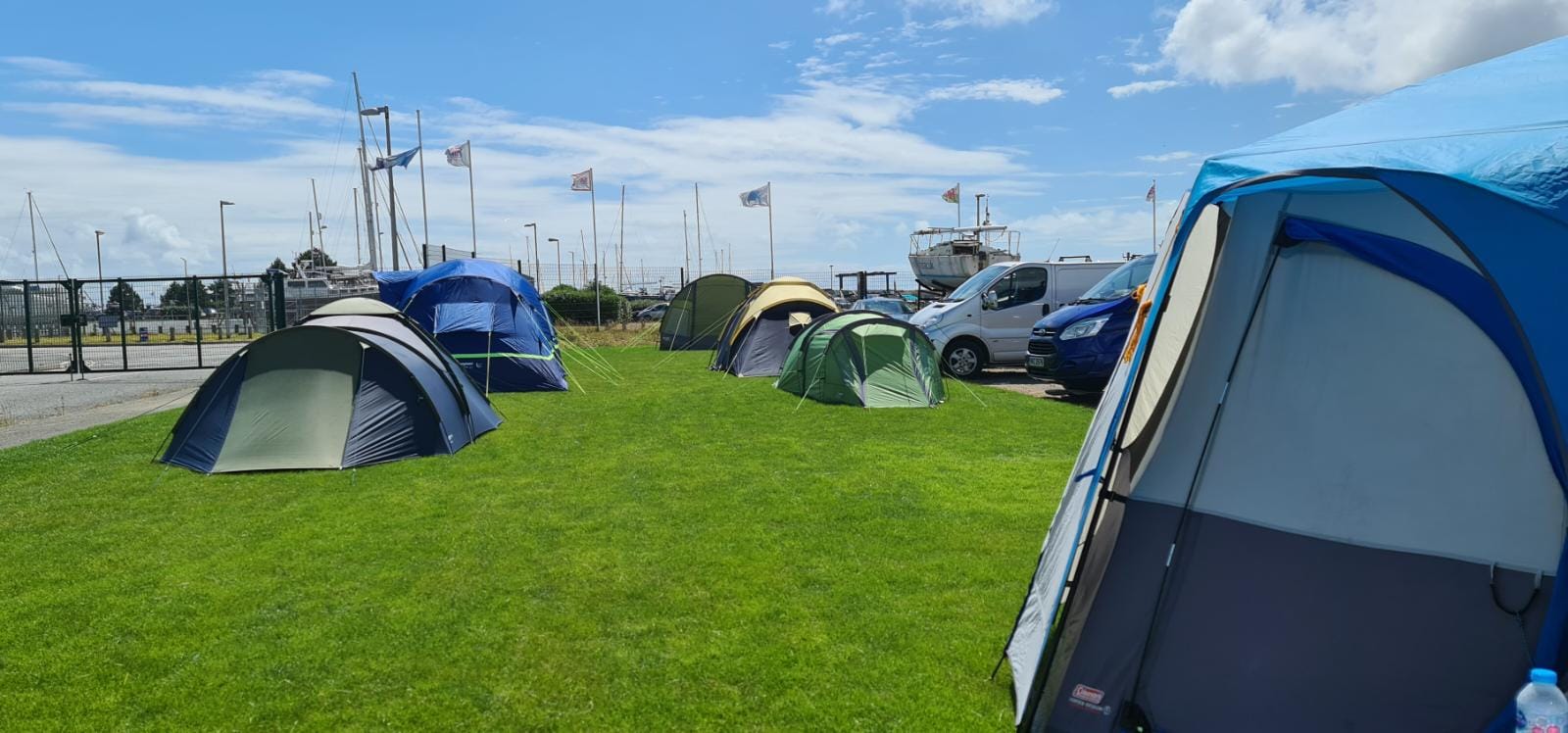


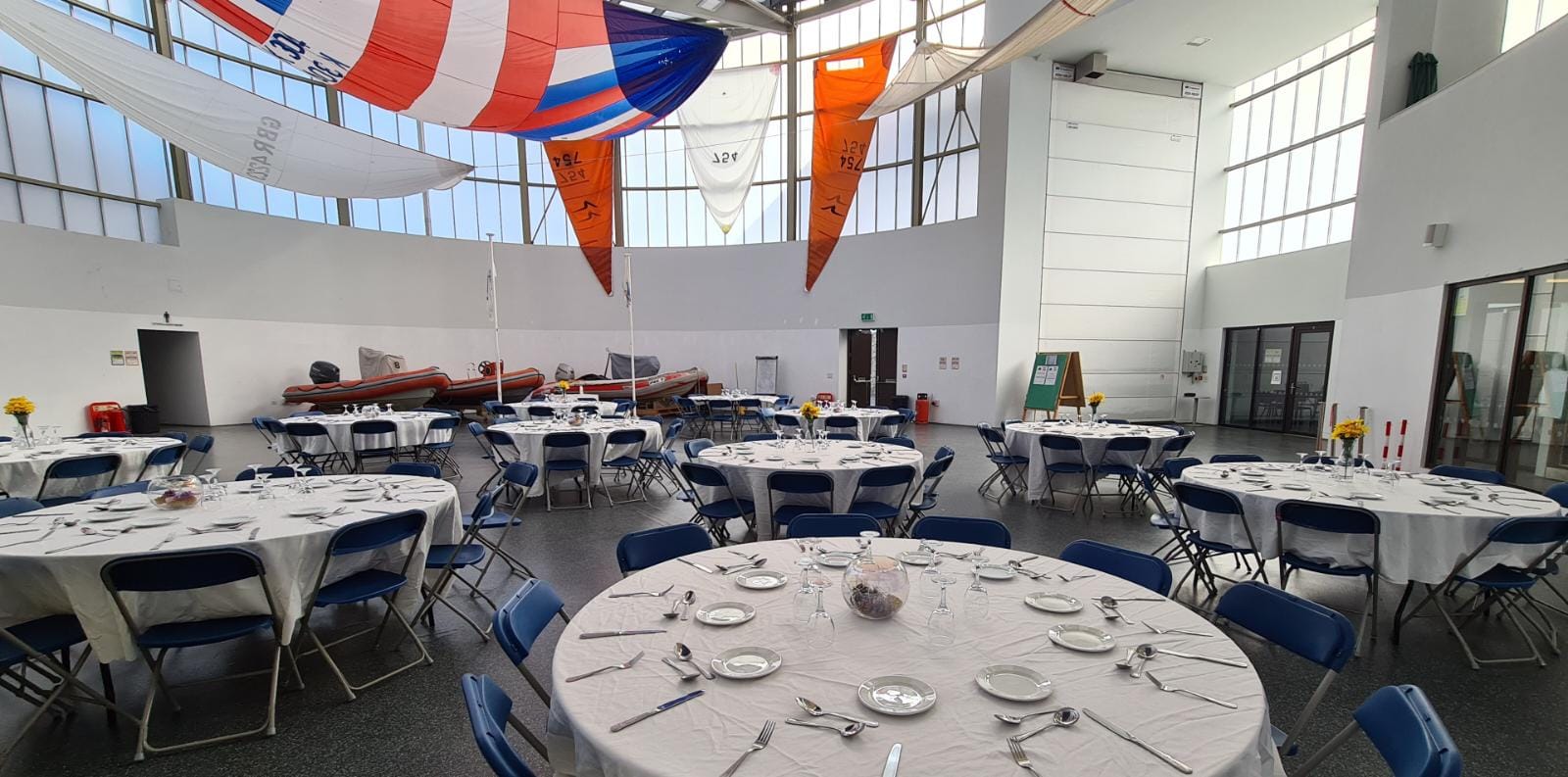

Facilities at Plas Heli

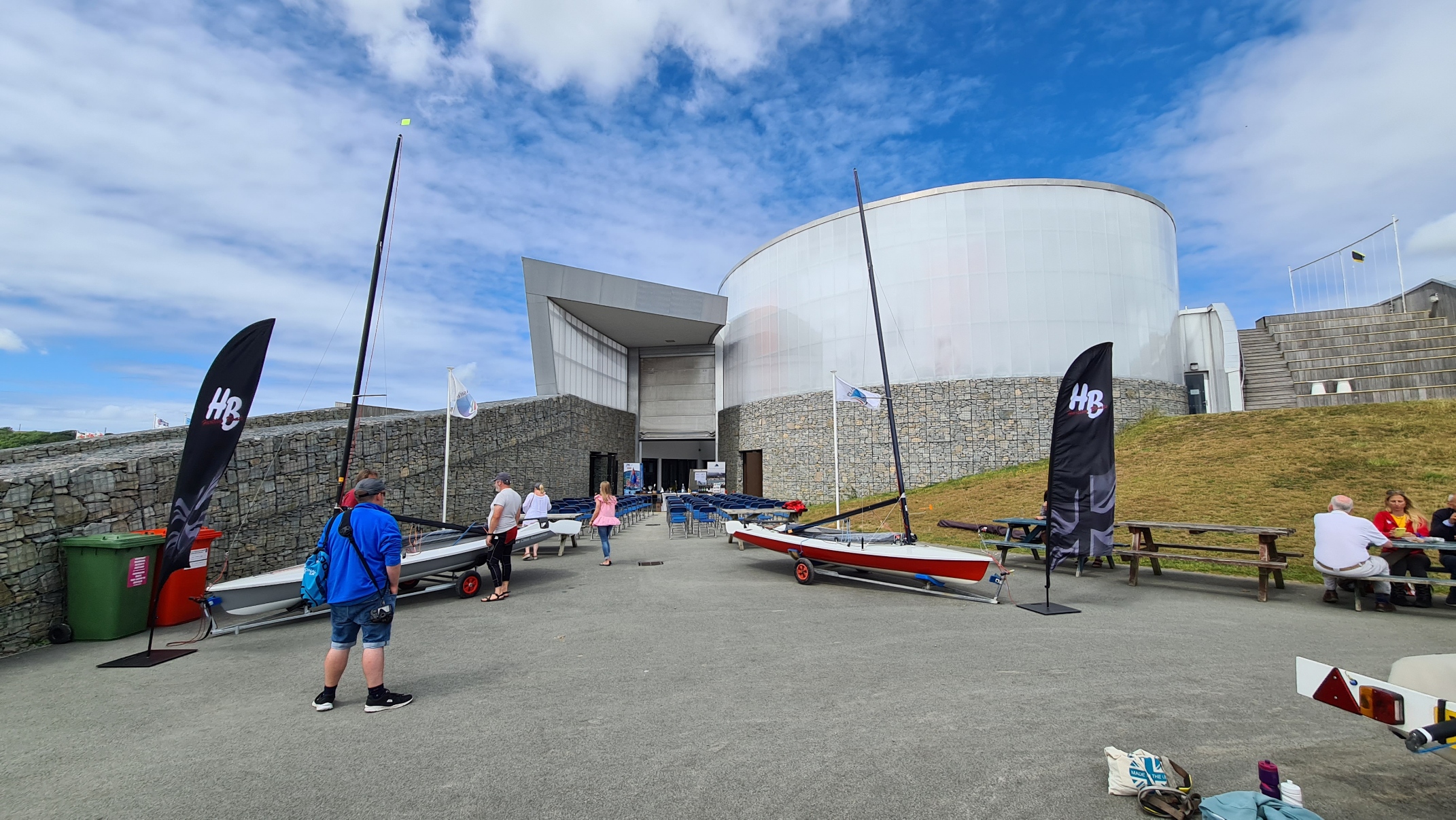

Dolenni Cyflym Tudalennau Cyfleusterau Plas Heli
| Angorfeydd yn Plas Heli | Gwersylla yn Plas Heli | Llogi Ystafell yn Plas Heli | Cyfleusterau Eraill | Bar ac Arlwyo |
Mae Plas Heli Cyf yn Gwmni Dosbarthu Menter Gymunedol, Dielw







 Plas Heli Cyf. Glan y Don, Pwllheli, Gwynedd LL53 5YT
Arlwyo a Bar: 01758 614 442
(dim ond ymholiadau arlwyo i'r rhif ffôn yma os gwelwch yn dda).
Sylwch nad oes staff yn y swyddfa ac y byddai eich ymholiadau'n cael eu trin yn fwy effeithlon pe baech yn anfon e-bost i'r adran briodol.
Defnyddiwch y ddolen briodol o'r tudalen 'Cysylltwch a Ni' .
Plas Heli Cyf Glany Don, Pwllheli, Gwynedd LL53 5YT
Cwmni Cofrestredig. Rhif: 08082514
Rhif TAW: GB 164061430